Our COVID Stories

From lockdown to learning: District 112’s COVID journey
Member stories and district data showing what changed — and what helped clubs survive and grow.

COVID-19 Locks New Zealand Down, March 2020

There was growing alarm internationally between December 2019 and March 2020, about a virus originating in Wuhan China. Dubbed COVID-19, this flu-like virus spread quickly around the world, killing people in its path. The Director-General of the World Health Organisation declared COVID-19 to be a public health emergency of international concern on 31 January 2020, and declared it was a pandemic on 11 March 2020. The first New Zealand case of COVID-19 was announced on 28 February 2020. Our international borders were closed on 19 March 2020, to all but returning NZ citizens. On 25 March 2020, New Zealand went into its first lockdown, Alert Level 4. (“1.1 Timeline of key events”)

Four Alert Levels

The four Alert Levels in 2020 affected Toastmasters in District 112, as it impeded the clubs’ ability to meet in person. At Alert Level 4, everyone was instructed to stay at home in their household “bubble” other than for essential travel and exercise in their local community. (“3.1 Lockdowns”) Public venues were closed and in-person gatherings cancelled. Only essential services and businesses were allowed to remain open. Even schools had to move to remote learning methods. District 112 Toastmasters clubs either moved online or went into hibernation. Some of the hibernating clubs never re-opened.

Five weeks later, on 27 April 2020, New Zealand moved to Alert Level 3. People were allowed to expand their “extended bubble” to include close family, caregivers or to support isolated people. Schools re-opened for voluntary attendance. Businesses re-opened for contactless service. Gatherings were limited to 10 people for weddings, funerals and tangihanga, so Toastmasters clubs could not meet in-person.

New Zealand moved to Alert Level 2 on 14 May 2020, allowing a further softening of restrictions. Gatherings were permitted gradually, provided that people maintained physical distancing, record-keeping for contact tracing and hygiene measures such as mask-wearing and hand sanitising. District 112 Toastmasters clubs tended to stay either fully online or moved to hybrid meetings (a combination of in-person and online). The country moved to Alert Level 1 with no restrictions on 9 June 2020.

Auckland returned to Level 3 on 12 August 2020, and the rest of the country moved to Alert Level 2, in the first regional Lockdown. It was downgraded to Alert Level 2.5 on 30 August 2020.Social gatherings were limited to 10 people but could increase to 50 for weddings, funerals and tangihanga. The whole country returned to Level 1 on 8 October 2020.

In February and March 2021, Auckland moved in and out of Alert Level 3 lockdown several times, making it disruptive for clubs. In June 2021 Wellington had a week at Level 2.

The COVID-19 virus had many variants. The Delta variant was more serious and more easily transmitted than its predecessors. On 17 August 2021, the whole country was back at Level 4 lockdown due to a community case thought to be Delta. After two weeks, only Northland and Auckland remained at Level 4. On 7 September all regions outside of Auckland moved to a modified Alert Level 2, where mask wearing was compulsory in public and gathering sizes were reduced.

Auckland continued to be at Alert Levels 3 or 4 for 7 weeks, and Northland was cut off from the rest of the country. The Government moved from its elimination strategy to a minimisation and proptection strategy, a “traffic light” system, as most of the population had been vaccinated and lockdown fatigue was making even the more compliant public feel restless.

On 3 December 2021, parts of northern, central and eastern New Zealand entered the Red setting of the new Covid-19 traffic light system, while the rest of the country began at Orange. (Beehive)

At Red, people were required to carry vaccine passes, either on paper or in the NZ COVID Tracer app. Public facilities could open with limits of up to 100 people, 1-metre physical distance and mask-wearing, while vaccine certificates were mandatory for events. (“RNZ Traffic Light Explainer”)

At Orange, gathering limits were lifted wherever vaccination certificates were used, although other public health measures remained in place. There were differences in how these rules affected Toastmasters clubs, because each club had to follow the requirements that applied to its specific venue and whether or not vaccine certificates were used.

The total District 112 membership dropped from 6,510 members in 2018-2019 year to 4,981 in 2021-2022 year, a drop of 23.5%. New members dropped from 1,477 to 853 in the same period. Distinguished clubs fell from 75 clubs to 45 clubs, a 40% drop. (Source: District 112 Statistician)

Our anecdotal evidence shows that it wasn’t just COVID-19 that impacted on member numbers, but also the introduction of Pathways education program in 2018-2020 and end of the legacy education program on 30 June 2020. While we couldn’t get a direct quote from a former member about their reasons for leaving, many members could recall similar stories. Former members who left because the dual change was too much. Moving from in-person to online, at the same time as trying to move from the Competent Communicator / Competent Leaders books to an online learning management system (LMS). The 2018 version of Pathways used pop-up windows, which were blocked by most browsers unless you knew how to override them, the menu system was not intuitive, and you couldn’t access higher Levels until you had completed the Level you were working on.

The number of District 112 clubs held up in the early Covid years increasing from 170 to 178 clubs in 2020-2021 year, then it fell sharply. To 164 clubs in 2021-2022 year and then to 133 clubs by 2024-2025. (Source: District 112 Statistician)

COVID-19 and Pathways impacted on individual participation and growth first. Then as club memberships declined below sustainable levels, the closures and suspensions increased.

Suspensions recorded in the COVID years include (examples):

  • 2019–20: Vodafone Club, Corkers Toastmasters Club, Seabreeze Paihia
  • 2020–21: TVNZ Toastmasters, Auckland Airport Toastmasters, Ingram Micro Toastmasters, Marsh Toastmasters, AUT Toastmasters, City Early Start, Top-Notch Toastmasters
  • 2021–22: Top Start, Speechcraft Club, Papamoa Toastmasters, Countdown To Speech Master (chartered 2021 then suspended 2022)

Also, many clubs show membership collapsing to near-zero between 2019–20 → 2020–21 (which usually signals “effectively inactive” even if still listed that year).

Corporate clubs appear to be more severely affected than community clubs. Corporate clubs were more sensitive to COVID-related workplace disruption (WFH, restructures, budget/HR changes, office closures), whereas community clubs had more flexibility to keep meetings online. Important caveat: “corporate vs community” isn’t an explicit column in the District 112 Statistician’s spreadsheets — this is inferred from club names (so treat the below statistics as directional, not perfect).

Comparing 2019–20 → 2020–21 for clubs present in both years:

Average membership change (Total to Date):

  • Community clubs: **~ -7.5%**
  • Corporate/Institution clubs: **~ -47.9%**

Suspensions in 2020–21 also skew corporate:

  • Community: ~1.3% suspended
  • Corporate/Institution: ~26% suspended

It’s not all doom and gloom for District 112 Toastmasters clubs. Multiple clubs chartered during the Covid years, including corporate/institutional clubs and explicitly online clubs. Some clubs grew rapidly during this time, taking advantage of their technology and lowering barriers to inclusion. 

Examples of District 112 Clubs chartered in/around COVID:

  • EROAD Toastmasters (Charter 08/01/19)
  • Datacom Toastmasters (Charter 02/25/20)
  • Kura Korero O Microsoft (Charter 05/04/21)
  • Training and Coaching Online Club (Charter 06/30/21)
  • Dial-Up Toastmasters (Charter 06/17/21)
  • Commercial Bay Toastmasters (Charter 12/11/21)

Some of these new/online-enabled clubs grew fast:

  • Ponsonby Toastmasters: 12 → 38 members from 2019–20 → 2020–21 (+216%).
  • Kura Korero O Microsoft: 33 → 59 from 2020–21 → 2021–22 (+79%).
  • Training and Coaching Online Club: 20 → 35 from 2020–21 → 2021–22 (+75%).
  • Dial-Up Toastmasters: 20 → 37 from 2020–21 → 2021–22 (+85%).

As the country emerged gradually from the string of COVID-19 Lockdowns, most Toastmasters clubs resumed meeting though not all in the same way. A small number of clubs did not reopen, either because of financial difficulties faced by their corporate hosts or because enough members chose not to return.

“During later parts of Level 2: trying to run hybrid meetings in a way that the people online could participate with the people in the room. Our club decided, after a few attempts, to drop the hybrid format and focus on in-person meetings.“ Anonymous

Some of the changes introduced in 2020 to 2021 have endured. As I write this in December 2025, many clubs continue to meet online or hybrid. This allows members to attend their club meetings while unwell or travelling. Online members use “jazz hands” to silently applaud speakers, and there are a variety of emoji reactions. Club leadership training and district leader training now takes place both online and in person, reflecting a more flexible and accessible model shaped by the pandemic years. We can celebrate how Toastmasters District 112 endured a time of global upheaval, demonstrating resilience, courage, and creativity.

Beehive. “Beehive Release – Traffic Light Levels Announced.” Beehive – Traffic Light Levels Announced, 29 November 2021, https://www.beehive.govt.nz/release/traffic-light-levels-announced. Accessed 30 December 2025.

“Explained: What the traffic light system is and how it works.” RNZ, 23 November 2021, https://www.rnz.co.nz/news/national/456303/explained-what-the-traffic-light-system-is-and-how-it-works. Accessed 30 December 2025.

“1.1 Timeline of key events.” NZ Royal Commission Covid-19 Lessons Learned, 2025, https://www.covid19lessons.royalcommission.nz/reports-lessons-learned/main-report/part-two/1-1-timeline-of-key-events. Accessed 28 December 2025.

“3.1 Lockdowns.” NZ Royal Commission Covid-19 Lessons Learned, 2025, https://www.covid19lessons.royalcommission.nz/reports-lessons-learned/main-report/part-two/3-1-lockdowns-introduction. Accessed 28 December 2025.

  –  Serena Irving DTM, Orakei and Silver Service Toastmasters clubs

District performance snapshot

The club performance reports show that COVID affected participation first, then club sustainability. But they also show resilience: some clubs adapted, grew, and new online-enabled clubs formed.

Participation dropped first

Membership fell 23.5% from 2018–19 to 2021–22. The impact showed up first in individual participation, before the full effect on club closures became visible.

Fewer people joined Toastmasters

New members dropped by around 42% over the same period. This suggests lockdowns and online fatigue made it harder for clubs to attract and onboard new members.

Momentum became harder to sustain

Distinguished clubs fell by 40%, showing that many clubs struggled not just with attendance, but with keeping education, leadership, and club goals moving.

Adaptation was uneven

Some clubs suspended or shrank sharply, especially corporate clubs. Others adapted quickly, with online and hybrid formats helping members stay connected across distance.

Explore the four lessons from the lockdown years

Click a theme to watch a 5–6 minute highlights video and learn the key takeaways.

Read the stories behind each theme

Read the full theme summaries, with the stories and insights behind each highlights video.

Bumps and Bows

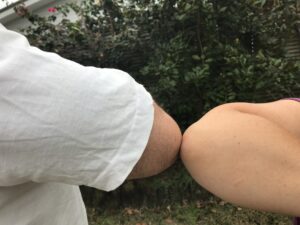
In early 2020, prior to our first NZ lockdown, we tended to be cautious about physical contact. We stopped our traditional handshaking at Toastmasters club meetings and moved to bumping elbows or bowing to each other. This sometimes led to an amusing dance between the meeting chairman and the next speaker, as they tried to match gestures.
“There wasn’t a lot of guidance around, whether it’s from the Government, on how we should handle in person meetings. Like, do we still shake hands? Do we start bowing? Just a lot of the long minutia of running a club? Like, should people remain masked until they’re speaking, that sort of thing? Possibly would have been good to have a little bit more guidance on or a little bit more something we can refer to… potentially something that we could rely on to say, ‘Hey, this is Toastmasters guidance. We should all fist bump, or we should all bump elbows, or just do a little bow towards each other’ as just some sort of this is the guidelines that International is putting out during this time frame.” Cameron (Toastmasters at Lunchtime)

“We still went to the pub after the meeting, but we did not hug each other. We did not shake (hands with) each other. We just elbow bump each other when we greet each speaker. We still tried to meet in person, and we also had hand sanitizer on standby.” Lily (Orakei)

“One of the women in our club turned out that she got a call from the contact tracing people to say that she had been sitting next to somebody in a doctor’s waiting room who had later tested positive for covid.We had given her a lift home from something … she had to let us know that she’d been exposed to covid, and her and her household were in complete and utter isolation and lockdown. (She would have been) taken to one of those isolation facilities (Editor: MIQ – Managed Isolation Facility), except that she was feeding her little baby at that point, and so they managed to negotiate to stay in their home. She thought she’d go crazy and she’d have to leave the other kids, and it just didn’t seem sensible. So she got special permission to stay at home, as long as no one left or entered the house for two weeks, I think. So, yes, that was a bit stressful. So for a little while, for a couple of weeks after that, we were like, ah, is it possible that we’ve got covid, and we have to be extra careful not to see anybody, because if we’ve got it, we don’t want to pass it on. So interaction with people was quite stressful back then.” Monica (Orakei)

“Although we were more connected than ever, we were also connected in a very different way, and then less connected in the physical type of sense. We all had to learn this interesting new language of staring down the barrel of the camera and not having people to high five or to handshake. It was a very different type of interaction…. Between at least myself and the Toastmasters community, Zoom and/or video conferencing opened up a huge world to us, and in that instance, connection was far greater than it had ever been.” Troy (Paihia, Northern Impromptu)

“I can’t High Five the person who lives eight hours from me, but I can still have a semblance of that connection, and still interact and have fun. So definitely, while there is a lack of physical contact, I’d say I feel more connected to my Toastmaster whānau (family group) in the last five years of my Toastmaster journey, than in the first five years before Zoom became commonplace.” Daniel (Toastmasters @ Lunchtime, Northern Impromptu)

Social Connection through Video & Outdoors

Our shared Toastmasters experience enabled us to maintain and build on our sense of connection and community through lockdowns and Alert status changes.

“My club was able to continue meeting, which was ideal. It gave me that connection, that outside connection that otherwise could be missing. Toastmasters is a great social outlet as well as a great speaking outlet. And so being able to remain connected during that time was something that I found very valuable, that Toastmasters and my club in particular, was able to provide for me.” Cameron (Toastmasters @ Lunchtime)

“We had an extra meeting where we had virtual drinks, and I guess that just showed that we really wanted to be in touch with each other. We enjoyed each other’s company, and wanted any excuse to be able to interact with each other.” Monica (Orakei)

“So after the meeting, we still lingered, and we usually (wanted) to just catch up because we really missed the pub. We probably just bring a drink to the computer and pretend they were still catching up in a pub, just a virtual pub…. During the first wave we (could) get takeaways. I probably just went out to buy some takeaways, and my friends bought others. We just have extra and or just drop off at each other’s place. And we wanted to have a shared lunch, or when it was allowed to have a street or people gathering in the park. So we bought a little bit of lunch and went out. And we also did that with our club in Orakei. We had a meeting on Tamaki Drive, and we brought our own food to have a meeting there in the open air, it was really nice.” Lily (Orakei)

“Silver Service managed to retain its membership over the 20 person mark, and I think that is because we did a lot to keep each other involved in between meetings, we would keep in contact frequently, check in with each other. We tried to make our online meetings as engaging as our in person meetings. And I think that for some who were living either on their own or just as a couple, you know, it was an opportunity to talk with other people outside of their bubble. A bubble is like your family group that you live with.” Serena (Orakei, Silver Service)

“I think it did take some of the warmth and the personality out of the Toastmasters meeting, because it’s a lot harder to have that interpersonal connection through a computer screen, especially welcoming new people…. (Moving online) hindered new connections, but it enabled you to maintain the existing connections. So it sort of put it in a stasis… that it didn’t allow me to develop them further…. It also allowed me to maintain what was already existing, so that I didn’t lose those connections that I’d already built from before COVID. But I would say that it hindered the ability to make new connections in as great depth as an in person meeting would be able to.” Cameron (Toastmasters @ Lunchtime)

“I do remember having a committee meeting on our deck when it was that stage where you were allowed to have small groups of people meeting together, as long as you were outside.We had a covered-in deck, and you didn’t have to walk through the house to get to it. So ours was kind of the one house that actually worked to do a meeting. And so we had the committee meeting outside on the deck. I think it was quite a cold day, but we just coped.” Monica (Orakei)

“Because the lockdown was on and off for a couple of times, we decided we can have a meeting outside in the park. And I think once we had a Christmas meeting in one of the parks in St Heliers (Editor: Madills Farm Reserve in Kohimarama). We also invited other Toastmasters like Marlene (Krone) and maybe Stephen Budai (District Director 2021-2022) to come to our meeting. People out there were curious, because it was a dog park, so the dogs were most curious about us, and they kept passing by and staring at us. We were not really bothered by the people, but just the dogs came to us all the time. It was really nice and, when we could meet in person regularly, we just stopped doing that.” Lily (Orakei)

No Toastmaster is an Island

Toastmasters was a welcome break from their lockdown household “bubble” for many members. The clubs which thrived in that time tended to be the ones which did more than just keep to their regular meetings. They kept in frequent contact informally, providing company and entertainment for those who lived alone. 

“I got to have regular contact with some friendly faces that weren’t inside the house, in my bubble. Other people that I could talk to and interact with, check in with how they were going. Get some interesting input from different people’s speech contests topics, and we also had drinks. So the week that we weren’t meeting, we would have virtual drinks.” Monica (Orakei) 

“(Toastmasters) Enabled connection between us which was especially important in Auckland with all the lockdowns. Support systems for some of our socially vulnerable toastmasters were also enabled.” Rachel (Manurewa TALK, Madhatters)

“I remember being acknowledged, hey, you’re here. Because I had no role. So I went, ‘Oh, I don’t have to do it. I found myself free at the right time. And I mean, I can jump in anyway.’ Everyone seemed really happy that I was there, which … just raised the spirits, just that little bit. It made me feel very wanted at the time that someone had gone out of their way to go, ‘I know Daniel might not be here for this meeting, but I have made I’ve got this (Table Topics) question, and I know it will be good for him, so I’m going to write it down.’ It was probably one of my favorite Table Topics to give because it was something ridiculous…. I can’t remember, but it felt comfortable. It felt easy, and at the end, I got a clap, and that was so simple, but so useful at the time…. Having something almost feel more like home while I’m away, it adds that little bit more joy…. If it had happened a year before, it wouldn’t have impacted my day. It was the small moments that got me through being locked in a house by myself.“ Daniel (Toastmasters @ Lunchtime, Northern Impromptu)

“I enjoyed them (online meetings). I enjoy the versatility, and I enjoy the idea of being able to chill out in your pyjamas with your dinner beside you or and with the cat or the dog on your lap. It’s a really cool and totally unique feeling that it has its own place. Granted, in person meetings have their own place too, but I think it’s certainly carved out its own piece of paradise here.” Troy (Paihia, Northern Impromptu) 

“Sadly, during one of the lockdowns, one of our members passed away. Another member drew his widow into her bubble so that she wouldn’t be alone as her children lived down in Auckland and she couldn’t get to share a bubble with them. We were so delighted and happy to be able to support each other in those tough times, and it just showed us what we were made of.” Rose (Good Vibes, PN Advanced, Rosedale, Toastmasters @ Lunchtime, Witty Storytellers, Northern Impromptu)

“There is a family I’ve built with Toastmasters…. I have ADHD. It causes difficulty with attention. I have difficulty with memory problems, and I struggle with my impulse control. So Toastmasters has been a valuable tool in that journey. But it also means that if I don’t see people regularly or have regular contact, I kind of forget about them, and it can cause a real strain on my mental health. One of the big problems I was really worried about when I started, when COVID first happened, and I talked to my dad about it, is that I was worried that my connections with the people I built at Toastmasters would start to go away simply because I wasn’t seeing them. And I very much was happy with the fact that I got to still build some connections online. To the point where, as a club, we talked about coming completely off hybrid at one point, and I sat there and went, ‘No, no. This is comfort to me, because I can be in Australia for all I know, and as long as I can organize my time, I could be here with you guys.’ So it’s definitely helped me personally in a mental health space to allow me to keep connections.” Daniel (Toastmasters at Lunchtime, Northern Impromptu)

Growth of Online & Hybrid Clubs

In July 2022, Rose, Daniel and Troy were charter members of Northern Impromptu Toastmasters club, a fully online advanced club. “It allows us to get speakers from halfway down the country to overseas. We had one, one regular member for well over a year who would join us at like, six o’clock in London time and do his exercise in the morning while doing Toastmasters. It was really fun. It is one of my favorite clubs to meet in, partly because even the structured, even the structured roles, are quite impromptu, so you have a lot of freedom with it…. Speaking as someone in Whangarei at the moment, there is no way I could ever have been a part of a club with the heavy hitters,… six DTMS we’ve got in our club. We just don’t have that experience (in Whangarei).” Daniel (Toastmasters @ Lunchtime, Northern Impromptu)

Even traditionally in-person clubs grew during COVID.”Just people came in and we received lots of inquiries. ‘Are you meeting in-person? Or do you have Zoom and can I join? And after they join, even once or twice, they just want to sign up straight away. I think they all want to be part of the group when they couldn’t in real life.” Lily (Orakei)

“I think people had an urge to connect the most during the COVID, because our membership reached 40 during the covid during the lockdown. After that, I think people got more options to connect with people. So then our membership eventually dropped.…I would think Zoom, even (if) it’s inconvenient, even (if it can’t) replace human in-person meeting, but it really helps us a lot, because we didn’t really have that many options for communication and connection. So I would say it helps us to communicate, or it makes us realize how connection is important to us.” Lily (Orakei)

Connecting at our First Virtual District Conference

“There was just the absolute thrill of us going into the void and figuring out how this thing is going to work, and how we’re able to get everyone on board at that stage. I was actually more well known as a timer, so I ended up being the time keeper for practically every event held at that virtual district conference in 2020. We pioneered the colored timing cards used as backgrounds…. It was quite engaging and encouraging for us as a District, to be able to come together and hold this incredible event, to be able to give so many people the opportunity to come up and speak as district contestants, within Table Topics, within humorous, within all of those international speeches, evaluations. We gave them the opportunity to speak, and I think being able to even just provide that avenue for people to go out there, break out of their shell, break out of their bubble as they’ve been stuck within the house, and be able to connect with a huge amount of people. It was a really special occasion, looking at that first District Conference that was something totally unique and something that I’m very happy to have been a part of.” Troy (Paihia, Northern Impromptu)

Community Beyond Toastmasters

The Toastmasters community is never just about the members during a scheduled meeting. It draws in the families of our members and it extends out to our wider community.

Daily Table Topics

District 112 Director Sharon Kerr-Phillips started Table Topics online sessions at 1pm and 6pm for anyone who wanted to be part of them. Attendance was optional, so numbers varied each day (5 – 20 members) and it was facilitated by a revolving group of District leaders. 

Sharon says, “That enabled people who were on their own and didn’t have any social contact, to be able to engage with people. It also was a great opportunity for people taking part in the Table Topics contests to get practice, not only the Table Topics contest, but to get practice at presenting online. So I think that helped. Then you’d have people who had never previously been on Zoom, and that opened a whole new door for them, because they were now being able to communicate with family overseas. And I don’t think so, people were quite proud of the fact that they now could actually contact their great grandchildren or their grandchildren, and participate in keeping contact in a different way.”

Feeling Part of a Larger Community

“Anzac morning 2020, and all the services were canceled except one. Better than half the people in our street were at their front gates at 6am with torches and radios for the dawn service. During our dawn service, I remember feeling there was one hell of a difference between being isolated and feeling alone. I’m proud that so many were sticking two fingers up at the virus. I’ve always felt that was the day we started fighting back.” Mike (Silver Service, Eco City, Maungakiekie)

“(Silver Service had) a black tie event that we used to run annually. For September 2020, we were going to be meeting at Maze Bar in the Central City. But despite all the planning that had gone into running our lovely event, we got locked down again in August 2020. Auckland was at level 2.5 which meant that we could get together in groups of 10 or fewer people. So that wasn’t enough for us to go ahead with our black tie event. Even though there was a possibility that we were going to have fewer restrictions by the following month, we had to pull a pin on an amazing event, and we never got to go back to the Maze Bar. So I’m really sad for that business that we couldn’t help them out in a time when they would have been struggling to get big events going.” Serena (Orakei, Silver Service)

“…When you just think about other people, we always think health is an individual case, not as a collective one. But then we realize, okay, because of COVID, there are certain groups that need attention. They need help. It never crossed my mind before, and I think we probably become more considerate after COVID, and I think that’s also a positive effect on us as a group.” Lily (Orakei)

“While COVID gave us challenges, a lot of them, it also gave us opportunities. It gave us the ability to see, no matter where you are, your Toastmasters whānau (family group) is there for you.Toastmasters Zoom meetings were a little bit of normality in a world that was upside down.” Rose (Good Vibes, PN Advanced, Rosedale, Toastmasters @ Lunchtime, Witty Storytellers, Northern Impromptu)

Social connection and feeling of community was crucial for the wellbeing of our District 112 Toastmasters during the COVID years. Nearly everyone we spoke to had strong memories of connection and community within Toastmasters, and how it helped to lift their daily lives.

–  Serena Irving DTM, Orakei and Silver Service Toastmasters clubs

Moving Online

New Zealand’s first Alert Level 4 lockdown started on 25 March 2020. Toastmasters clubs either had to move online or go into hibernation. Some clubs, like Datacom, were already holding hybrid meetings, with some people gathered in the same room while others joined remotely via video link. It was easy for them to move fully online. Other clubs took advantage of District 112’s offer of a Zoom subscription. Zoom is an online video-conferencing application that allows people in different locations to see and hear each other in real time using a computer, tablet, or smartphone.

“(Hearing about how seriously COVID was being treated in China)… made me realize that we needed to be much more careful and prepare ourselves for an eventual lockdown. So I signed up for a Zoom account for my work, which turned out to be a useful thing for my Toastmasters. Because we used the same Zoom account for Orakei Toastmasters and Silver Service Toastmasters. This created a bit of a conflict, really, because sometimes I’d be on a business call at weird times of the night, and somebody from Toastmasters would jump in to have their meeting, and I’d be like, ‘Oh, actually, sorry, that’s later. Can we reschedule?’ It didn’t take me long to realize that I needed to password protect the entry to the Zoom account so that we wouldn’t have all these conflicts.” Serena (Orakei, Silver Service)

“As time went by, we also realized that we couldn’t rely on a member’s Zoom account. We needed our own Zoom account, so we started getting a Zoom account, getting the hardware we needed. Fortunately, the venue that we were in also realized Zoom was something of the future. They put in a massive TV, they put in cameras, they put in a sound system and a whole lot of other hardware that helped us facilitate our meetings.” Rose (Good Vibes, PN Advanced, Rosedale, Toastmasters @ Lunchtime, Witty Storytellers, Northern Impromptu)

“We had one of our members who had a profile for Zoom, so we were able to use that and run the meetings that way. Once the lockdowns eased, so did the restrictions and we were able to meet in person again. We did keep that sort of hybrid model, so we had some people online who, for some reason or other, were unable or unwilling to come meet in person. Because at that time, it was still very daunting to go out in public and interact face to face. So having the ability to continue with the hybrid model and meet online was very useful. So yes, we kept meetings right the way through, kept it going.” Cameron (Toastmasters @ Lunchtime)

Honing Our Video Presenting and Conferencing Skills

The Zoom platform was available, but not all members had access to computer, video and stable internet connections. Even members who had access to technology found it was challenging to learn how to present on video. In 2020, most Toastmasters had little or no experience in presenting on video or facilitating an online meeting. More experienced members shared their knowledge freely through educational sessions. Rachel (Manurewa TALK, Madhatters) recalls that she learned “on screen presence, lighting & eye contact with the camera. “ She also remembers: ”Helping less tech savvy members with technology – when bubbles were allowed small groups got together to participate & support.”

Video Etiquette – You’re on Mute

As we progressed with online meetings, we gradually adopted new behaviours to suit our constrained environment. 

“One of the things I noticed was that I had to smile a lot,… and show the speaker that you’re engaged. My face muscles used to hurt after Toastmasters, because I’d been smiling the whole time.” Serena (Orakei, Silver Service)

We would mute ourselves by turning off our microphones, until it was our turn to speak. Sometimes we would forget to turn our microphone on again, and the chairman (or someone else) would say “You’re on Mute”. 

With microphones muted, clapping could no longer be heard. Instead, we adopted the silent applause used in Deaf and sign language communities, raising both hands and waving them, a gesture many came to call “jazz hands.”

We adopted various methods for timing speeches. Instead of timing lights, our Timekeepers held up coloured objects for green, amber/yellow, red or used different coloured backgrounds.

“The ability to have a timer on the screen with a background that changes is one of the most valuable things I’ve seen so far…. Someone’s face with a giant green background behind them that then goes yellow and then red. If we could, if we could become normal, to unmute and (ring a) bell, that’s the only thing lacking in that scenario. It’s incredibly useful.” Daniel (Toastmasters at Lunchtime, Northern Impromptu)

Screen Fatigue & Distraction

We spent a lot of time looking at screens during lockdowns. There were the 1pm Daily Updates on TV One television from Director-General Dr Ashley Bloomfield and Prime Minister Jacinda Arden. If we were working from home or studying, we had our computer screens on all day. Meetings for work, training and Toastmasters were all on video. Nowhere to go, so we could binge watch on Netflix or other digital streaming services.

“Screen fatigue” became a common term for the tiredness people felt after back-to-back video calls, as concentrating on faces on a screen for hours at a time demanded unusual levels of focus and self-awareness.

“Quite a few people didn’t have their cameras turned on, and it became more like that over time. So people were more reluctant to turn their cameras on. Some people did like to have them on, you know, be the usual suspects that would have them on. And some people just never have them on.” Rhys (Orakei)

Unstable internet bandwidth was a continual problem in 2020 for video meetings, so people would turn off their videos and have audio only. We could use the Chat window within the platform, for sharing the Word of the Day, giving real time feedback or catching up with other members. However there was a danger that we could lose concentration if we turned off our camera. 

“I think having the distraction of access to the internet while zooming also impacted me in the end. I sometimes could zone out and really missed the engagement of in-person meetings and being away from all distractions. Connection is so important, as is being fully engaged. Now on zoom, I always try and have my camera on, and stay engaged in what is happening on zoom, rather than having many tabs open and flipping between screens and multitasking – being present in the moment is important.” Kirsten (Orakei, Eastern Bays)

“I … find it a lot harder to remain engaged consistently. There’s just so many temptations in your home or wherever you are, or just like, ‘Oh, I’ve got a text. I might as well, just check that.’ Whereas in person, you’ve got the sort of, not necessarily, judgment of people around you, but it’s a lot easier to remain engaged in the content when there’s someone right in front of you. And I find this struggle even with working from home, for example, it’s that same sort of balance for me, trying to remain engaged and focused when there’s just so many distractions in the environment around you.”  Daniel (Toastmasters @ Lunchtime, Northern Impromptu)

Online Contests

The first NZ lockdown announcement came just as District 112 was in the midst of March 2020 Area and Division contests. District 112 Director Sharon Kerr-Phillips was Program Quality Director in early 2020, so it was her responsibility to ensure that the contests were held. Toastmasters International had not released any guidance by March 2020, so District 112 had to innovate while moving contests online.

“Those challenges of having to pivot, from being in person to then going online, represented a lot of complications behind the scenes.The speakers had prepared to speak in person, and they had to then change to being able to have an online presence…. All of the judges, timekeepers, tally counters, all of those roles that you would normally have in person, people had to be able to adapt and to be able to complete judges ballots online and get everything signed. So changing like that was a challenge in itself, but then some people didn’t even know how to use Zoom or how to have any of that functionality.” Sharon Kerr-Phillips (District 112 Director 2020-2021) 

“I don’t know for a fact, but I think we were very close, if not one of the first Districts, and Division K was, if not, one of the first divisions to run their contests online. That was in our very Kiwi number eight wire, let’s just see how it goes, type of fashion. It was very much flying by the seat of our pants, and let’s just see how it goes. And that it worked out really well, and paved the way, at least for our own district, District 112, and how we treated contests over I mean, essentially the next five years or four years, because we’re only just starting to move out of either hybrid contests or hybrid meetings, and, yeah, back to only in person contests. So that’s been crazy, and it’s affected far more than I would have expected it to at that time when we went to undertake the first one so greatly affected us. But it was an awesome experience.” Troy (Paihia, Northern Impromptu)

“So I think as a District, we pulled together really well and held training sessions on a very regular basis before every single Division conference. There were multiple training sessions so that each of those people could come up to speed as to the differences.… For the contestants, we had additional sessions so that they could practice online, and we could test the lighting and the sound where they were standing, perhaps suggesting a different background… so that you stood out and made the best presence possible for contests.” Sharon Kerr-Phillips (District 112 Director 2020-2021) 

“We had a lot of discussion about how the judges should be passing votes to the tally counters. Some suggested you should email, and others worried about email may not reach in time and insisted it should be followed up by text. So I think each tally counting probably took up twice or even three times longer compared to the usual in person contest, but and lot, and for the contestant, they was always an issue about when you were muted and when you started and you didn’t realize it. And we have to stop and remind that person, you should unmute yourself, and we start over again.” Lily (Orakei)

“Being able to participate remotely was of great benefit to me, because that meant I didn’t have to drive three hours down south to attend a meet, to attend a contest for maybe two minutes of speaking. So that was of great benefit to me, and that I was able to actually go to that contest, when potentially I may not have been able to attend it depending on what other commitments I had around that time. However, I did find it was a struggle to actually compete in that hybrid model … I think you inherently have some sort of bias to a speech that’s in the room, especially if there’s potentially some technical issues, which I think did happen during my presentation. I think it froze for about 20 seconds or so. So that does put a little bit of a strain for speaking online as a contestant, and being able to … remain engaged in the rest of the contest and be able to appreciate the other competitors as well when you’re in person, when you’re physically there, as well as it just adds a little bit of that ambience, that energy, to the room.” Cameron (Toastmasters @ Lunchtime)

“You generally can’t hear the audience, because if they laugh, the microphone generally cuts out because there’s a lot of background noise, and it doesn’t send that through. So you try and say a joke, and you don’t know if the joke lands or not, and then you just feel awkward and you can’t really build on that energy, which is something that I definitely find myself not necessarily relying on, but it is a key method to be able to create that energy, keep keep building it up and deliver a contest worthy table topic.” Cameron (Toastmasters @ Lunchtime)

“I think that’s (online or hybrid contests) been very useful, especially for us smaller clubs or smaller regions. As a northern region, I would hesitate to say we’ve got more than 60 people in our combined clubs. So being able to draw on the resources from bigger regions without the worry of, you know, ‘hey, can you drive up? Do you have somewhere to stay tonight? What are you gonna do afterwards?’ That kind of alleviates the pressure.,There is the aspect of, ‘actually, can I drive down to Auckland for this next contest, or do I have somewhere to stay?’ So it alleviates a lot of the real world pressures that I find come with Toastmasters contests.” Daniel (Toastmasters @ Lunchtime, Northern Impromptu)

“I love the fact that we could still participate in contests. We could go online, and everybody could participate. But when I went on to represent division k in the district contest, I felt cheated. I wanted to be on stage with an audience, with actions, coming forward and back. I wanted to be seen by everybody. There was no stage, there was no live audience. There was just a dull feeling of being alone in this vast universe, I learned, then, the difference between being alone and loneliness.” Rose (Good Vibes, PN Advanced, Rosedale, Toastmasters @ Lunchtime, Witty Storytellers, Northern Impromptu)

District Conferences

Quite aside from the contests , moving online for the conferences proved quite a challenge for conference organisers and District leaders.

“I really felt for the (Focus 2020) conference committee, because, you know, they had put so much work into the planning. The Napier team were amazing and had a lot of different things planned, but then quite a few of the speakers did not want to compete or or did not want to present online. They were only interested in presenting in person.” Sharon Kerr-Phillips (District 112 Director 2020-2021) 

One of the positives for the online conference was being able to secure international high-calibre speakers, without having to pay for their airfare.

“We needed to organize new keynote speakers at a very short notice. And we were very lucky because we got Mohammed Murad, a past International Director from District 105, that’s Abu Dubai … I just thought his speech was amazing. It really resonated with me: the 5 H’s of Leadership, and he very kindly agreed to present that for us. The only drawback is that his camera, which had been working fine, stopped working, and he had to deliver the entire speech without any visuals, so they couldn’t see him, but heard the speech, and I’m sure I was at an advantage, because I’d heard it before. Darren LaCroix (2001 World Champion of Public Speaking) also came in and did his speech at short notice.” Sharon Kerr-Phillips (District 112 Director 2020-2021) 

“We had Sabrina Perry. She did leadership potential (educational), using emotional intelligence. And Lauren Parsons did her 2018 TEDx talk. And David Templeman (District 72 Director 2017-2018, International Director Region 12 2018-2020) did his speech as well. And we had Dave Hughes as a test speaker for the evaluation contest, and yeah, so had a lot of people pulling together at short notice for that. And it was a really interesting experience doing it. And certainly I think everyone involved, it was a wonderful growing curve for us.”  Sharon Kerr-Phillips (District 112 Director 2020-2021) 

The following year’s 2021 District 112 Conference theme was Unmute Me. “Well, we had a different name, and then we were thinking, was this going to work? And then I said, Well, why don’t we just make it ‘Unmute Me’? Because everyone you know, everyone you go online, and you’d say, Ah, you’re on mute. And that happened so many times to so many different people that we thought, well, you know, unmute me. It’s not only in terms of being online, but actually also give yourself a voice, give people the opportunity to be able to express themselves and to speak and so by coming unmuted, people become better communicators and leaders.

“The first and second training I went to, basically all the facilitators were doing it for the first time. They didn’t know how it should look on Zoom and some forgot to save the document.Some forgot to rename themselves as different officials so they were not invited to the breakout room when it was started. I think after two or three years, we are doing very well about that. I’m very happy about our training sessions held on Zoom now.”Lily (Orakei)

District Council Challenges

2021’s District 112 Council meeting was memorable for its technology challenges. Sharon Kerr-Phillips recalls, “Shortly before the meeting, my laptop stopped working. Now, remember that we were in lockdown, you couldn’t just go down the road and buy a laptop. I had planned to have it set up with screens and things like that. And I thought, fine, I’m going to print it (the council meeting script) out. And I went to print it out, and the printer stopped working…. My fail safes that I had in place were not working for me. So I used this person’s other laptop, and there was no camera, and there was no camera for the entire District (Council) meeting…. It was a brand new laptop, and there was a cover across the camera…. I only found out later that the entire district meeting was done without a camera, without anyone seeing me. I was trying to scroll up and down, and I kept losing my place. It was really, really difficult to do that.”

“When you’re having District Council meetings, people are given a certain time frame in which to talk, and also, people are supposed to be respectful in terms of when they can and when they can’t talk. If you’ve got a good Zoom master, someone is going on too long, they just get muted. And if somebody was trying to speak and not in turn, and not wait until, you know, because we you people would raise their hand and you give it to them in turns. And if that wasn’t happening, the person just got muted. It made control of the meeting quite a bit easier from that side.”

“The previous year, voting was quite difficult. Some of the links that were sent through, people just were not getting their invites. They were just, they were like jamming, in a sense, so trying to make sure that it was fair and that everyone had the opportunity to be able to vote. Not everyone attending had voting rights. So you had to make sure that the people who were there that were able to vote could. So it took a lot of work behind the scenes, with people sitting there and watching and counting and making sure that there wasn’t somebody voting who was not supposed to vote. It was then also when people if they had more than one vote, putting them into different rooms so that we could collect the votes like that, and again, making sure that you follow your parliamentary procedure, that you followed all of the rules that Toastmasters needs to have there to ensure that was done fairly. And I must say that Alun Chisholm (District Statistician) did an amazing job of that. He was really good at making sure that that was done correctly.”

Hybrid Meetings

Once the lockdowns were over, we had new technological challenges at club level: hybrid meetings. Hybrid meetings allowed for some members to meet at a central location, while others were on video from another location or their homes. The challenge was making sure that members had a good experience of being included, no matter their choice of attendance.

“Before each meeting, we just set up the tripod for the camera and got all the cords connected to the laptop and the projector and our IT expert, he also made a note…. Other people can look at the instructions and assemble it quickly, and then we have a Zoom meeting open before the meeting started. If we found out that there’s no people zooming, we just abandoned that option. But we also use a laptop, because lots of us have a speech or project, need to use a laptop and projector to present PowerPoint.” Lily (Orakei)

Beyond Lockdowns with Hybrid Meetings

“I definitely think the hybrid model has potential. The hybrid model being in person and virtual teams, Zoom meetings, for the Toastmasters meetings. It is definitely something that could be developed further, could be made more streamlined, more efficient, to have the interaction between the room and online a lot more seamless. However, I think as a club, we are managing it fairly well with the limitations of the technology, the camera technology, the microphones being able to mute yourself and unmute yourself and see who is in the room. So I think there’s definitely room for more innovations in that sort of hybrid space, which would definitely assist our club to maintain those connections that we’ve all got throughout so yeah, that’s what I’m excited for, more hybrid.” Cameron (Toastmasters @ Lunchtime)

“Some people that have only really been doing speeches online for a while get in front of people and you see their arm gestures, kind of not know where to go, and their eye contact is that one person because they’re used to watching a camera. There are definitely some things that we were lacking that I’d say was quite difficult. You want to evaluate, but you also don’t know whether to evaluate the setup the way they’re doing it, or actually they’re doing it right for zoom, but they’re not doing it right for a contest, and it kind of makes it difficult where to focus it, especially for new members. You don’t want to overload them with 19 things that they’ll never use again. “ Daniel (Toastmasters at Lunchtime, Northern Impromptu)

Not all Toastmasters club were able to adapt to a hybrid model. “It was particularly difficult for our Silver Service Toastmasters club because we meet at a different restaurant each month. When we had our meeting in September 2020, our executive had a debate about whether we could meet as a hybrid club, but the thought of: having to cart around camera equipment, projecting equipment; making sure that you had microphones and sound equipment; power points and space in the restaurant; it just seemed to be a step too far. So we decided a hybrid club wasn’t going to work for Silver Service Toastmasters if we wanted to retain our status as a dinner club. There was quite a lot of heated debate about whether we should stay a dinner club, but I’m grateful that we have that opportunity to keep it going.” Serena (Orakei, Silver Service)

“I think we’ve got more options now, and we’re more considerate about other people’s health conditions. So we probably tell people, if you are feeling unwell, you always got option to Zoom in, and you can always participate. It just, just even, like it’s the experience will be slightly different, but it still can participate. I think it offers more options now.” Lily (Orakei)

“While it was a bit of what I probably call a shaky beginning, jumping into it, it transitioned into something that was very useful and an incredibly powerful tool for Toastmasters, to the point where I still utilize it, even today, at the moment with Toastmasters. Whenever I can’t leave the office in time, I’ll jump online, and our meetings are still partially hybrid.” Daniel (Toastmasters at Lunchtime, Northern Impromptu)

Several District 112 clubs have continued with the hybrid format, even though it takes more organising than a fully in-person, or a fully online club meeting. This offers their members flexibility in participation when travelling or unwell. In 2025-2026, District 112 Club Leadership training was delivered mostly online. Some of the technological changes from 2020 appear to be permanent.

–  Serena Irving DTM, Orakei and Silver Service Toastmasters clubs

Transition to Pathways

Even with a pandemic raging around the world, we were pressing on with the transition from the Legacy education program to Pathways. 

“Three days before lockdown, I was running a six-hour speech marathon designed to get people through Advanced Communicator Gold in the old program, to give them a shot at DTM (Distinguished Toastmaster Award). We got six DTMS out of it, who otherwise would have had to go back to square one. I kept a register of attendees, and everyone wondered why I did that? It was so I could contact them later to check they hadn’t been infectious. At that time, no one was.” Mike (Silver Service, Eco City, Maungakiekie)

“Toastmasters International gave everyone a free Pathway during that time to sort of boost that connection and give us something to keep going on, something to develop, something to work towards during the time…. I think it was quite a boon. … We were able to lower the subs costs a little bit to help our members during that period, essentially saying we’re not paying rent, you don’t need to. We don’t need to collect rent from members during this time period, so we’re able to lower the fees a little bit to help ease the burden a little bit on our members.” Cameron (Toastmasters @ Lunchtime)

“Some people had already just decided that they just did not want to go into a new education system. So COVID gave them quite a good excuse just to opt out completely. For some people, presenting online was challenging. I mean, to us in the previous program, we did have that project for holding online meetings, and people who had done those projects actually excelled at work, they were recognized, and quite a few people got promotions because they were ahead of the game, in a sense. So I think that the people that embraced the challenge that came along, they grew, and it has benefited them going forward.” Sharon Kerr-Phillips (District 112 Director 2020-2021)

Unexpected Video Skills

It is amazing what you can learn, when the situation is forced upon you. Very few District 112 Toastmasters had given speeches on recorded video in early 2020. We very quickly had to adapt to a working life and Toastmasters life which included regular video meetings, presenting webinars and running online contests. 

“I actually quite liked the whole kind of technical side of it. All of, you know, setting up cameras and microphones and lighting and trying to think about where I was in the frame. And for me, that was kind of fun…. I certainly developed skills around being able to present in that environment, which was in very useful at work, because from that time onwards, being able to present to a meeting on a computer with that kind of setup is something that I do every day now, multiple times a day, sometimes just to a team, or sometimes to a more professional audience, like customers, being able to practice that sort of thing. What I think was really valuable, and also seeing other people do it in a context where you’re giving evaluations. Or other people are giving evaluations that helps you to pick up on things you wouldn’t have otherwise have picked up on. I think that was a real help for me in my work, to be able to do that.” Rhys (Orakei)

“Showing somebody how to do something in person is really quite easy, because they can watch and they can see. But having to do that online, took a lot more patience and skill, I think, for everyone that was involved in (running contests) to overcome those challenges.”  Sharon Kerr-Phillips (District 112 Director 2020-2021)

“I am using gestures more. This is not something that was common for me making it visual online. So there were definitely skills I had to learn that was specifically catered towards meetings online…. Eye contact and paying attention to what’s going on in a Zoom meeting is a skill that I very quickly harnessed and allows me to use my impromptu skills quite deftly.” Daniel (Toastmasters @ Lunchtime, Northern Impromptu)

“I wouldn’t necessarily say my communication skills improve, but I would definitely say that my ability to function and communicate effectively through Zoom, the very specific niche of the online communication method that definitely did improve. Going into (COVID lockdowns) I had no real experience with being part of an online meeting. How to manage that, when to take over, how to unmute yourself, all the little idiosyncrasies that come along with an online meeting. Being able to practice that on a weekly basis definitely helped my online communication methods.”  Cameron (Toastmasters at Lunchtime)

“I think that being on Zoom has helped me get more used to presenting on camera. I’m a lot more comfortable with it now. I’m more comfortable with framing myself on the screen. I’m more comfortable with doing videos for social media because I’ve been practicing through doing Zoom for my Toastmasters meetings. I’m also better prepared for holding business meetings because of my Toastmasters meetings, although sometimes I still forget to unmute myself. Rookie mistake!” Serena (Orakei, Silver Service)

In 2025, “I feel like for every two or three meetings, you can expect someone to say, ‘oh, I need to use PowerPoint slides.’ There weren’t that many before COVID, because people only use it when they have a project that says using visual aids. They don’t want to use it when the project doesn’t really require it. But now people after COVID, people think maybe (I’ll) add a little bit of visual presentation will help the other audience to understand them better. So I think more and more people are getting comfortable using PowerPoints or slides after COVID, after Zoom here.” Lily (Orakei)

“I have had numerous meetings at work using the Microsoft Teams product, and being able to know how to sit, present myself properly and use gestures properly on teams and Zoom has been rather valuable, I wouldn’t say career defining or anything, but definitely, I think, has gifted me a sense of understanding and expertise and what I was talking about that aided in the conversation.” Daniel (Toastmasters @ Lunchtime, Northern Impromptu)

Our first online International contest winner was Amy Davidson, in May 2020. “We did that bit of coaching beforehand for her to have that online presence, but she only had a mobile phone. She did her entire speech using the mobile phone. And when in the District conference, in the District contest, the internet dropped, and we had that ruling. That was 30 seconds, and then you could come back. So Stephen Lindsay was the contest chair, and did a great job of putting a track on where she was. And it was amazing because, using that phone only, she went through. Not only did she win the District contest, she won the Quarter finals, and went through to represent us in the Semi finals. That was all from a mobile phone, and having the courage to go there and change your speech from in person to an online speech, and to be able to achieve what she did, was phenomenal.” Sharon Kerr-Phillips (District 112 Director 2020-2021)

“As a chartered accountant, I had to talk with a lot of clients, and sometimes it’s easier to do this face to face, even if it’s at a removed distance. So that’s when being able to communicate effectively through Microsoft Teams or Zoom came in very useful. And so the Toastmasters being able to practice that definitely added to my ability to communicate effectively. And I wouldn’t say we should thank covid for that, because that’s not quite the right attitude, I think, to come out of that. But there was definitely some benefits out of that experience that we were able to take away, sort of a silver lining of the thundercloud that we were able to use there.”  Cameron (Toastmasters @ Lunchtime)

“(From watching Prime Minister Jacinda Ardern) I learned the power of mixing direction, meaning and empathy. I learned to manage expectations by providing what I expected to happen, and I learned that the fastest way to answer questions was to indicate the order in which you would take the next three. I feel lucky. It was a dark time, but I have no dark memories, and I saw the person we needed at that time attempt to gain the trust and cooperation of 5 million people simply by asking us to treat each other as we would like to be treated, seeing her succeed or close to it for a while, when that trust was all that stood between 20 and 20,000 deaths in this Country.” Mike (Silver Service, Eco City, Maungakiekie)

District 112 Webmaster

Following the March 2020 Division K online conference in District 112, led by Division K Director Troy Smith, the rest of the District followed suit with Division conferences, District conference and District trainings online.“He (Troy) was ideal, because he ended up becoming our Zoom master, and then stayed on as Zoom master for quite a few years. He was really so adaptable and agile and willing not only to be there for his division, but for all of the divisions. I take my hat off to him.” Sharon Kerr-Phillips (District 112 Director 2020-2021)

Troy Smith was appointed the District Webmaster (2020 – present), to ensure that district meetings, trainings, contest and conferences ran smoothly. The presenters and district leaders could focus solely on presenting or running meetings. The webmaster and assistants controlled access to meeting rooms, breakout rooms, muted audience members, switched slides, kept everything running seamlessly as possible. 

Troy says “That’s been something that did also bring me on a wild journey of learnings and of education through technology and or through various contact with people. How do I engage with people? How do I run all of these technical pieces of equipment? How do I stay calm in pressurized situations? How do I handle that weird type of stress that comes with being the one person who seems to be doing these things and at the beck and call of everyone within the District? It was a huge learning moment, but yeah, the biggest part was all taken on just by saying yes, and just by taking up those opportunities as they come. And yeah, by golly, there were a lot of opportunities, a lot of wild changes at that time, and then yeah, a lot of opportunities for growth.”

Celebrating Milestones, Lockdown Style

Significant events were celebrated in unusual ways during COVID lockdowns.

“I got my DTM during lockdown and my club surprised me with a COVID KFC treat and other goodies delivered to my home to celebrate my getting this award.  Just the thoughtfulness and care to celebrate how we could made an impression.  Another moment that I remember well and having an impact, was a chairman going around everyone’s houses before a meeting and leaving a gift bag for people to open in the online meeting that related to the theme of the meeting. We all felt so connected by this.” Kirsten (Orakei, Eastern Bays) 

“I turned 50 during Auckland’s longest lockdown (September 2021), so there was no possibility of a milestone party. Instead, I invited family and friends, mainly Toastmasters, to a Zoom party. We had everyone singing and talking and a fun personalised quiz on Kahoot! (an online quiz app).” Serena Irving (Silver Service, Orakei)

Growing in Resilience

“I think the main thing really is that what covid showed us is the incredible resilience that the majority of Toastmasters had. When things are going wrong, draw on your Toastmaster skills, whether it’s in your own life or it’s in Toastmasters, draw on those skills and pivot, adapt, be agile, and remember that you are never on your own. So if you are struggling and you find that you cannot do something, don’t give up. Reach out, because there’s people with skills that you just never know about. Any challenges that come along, reach out to people and … give people an opportunity to use their skills to support you as well.” Sharon Kerr-Phillips (District 112 Director 2020-2021)

–  Serena Irving DTM, Orakei and Silver Service Toastmasters clubs

Challenges to Access

New Zealand’s approach to dealing with the COVID-19 outbreak was vastly different to the majority of Toastmasters nations. While other countries were dealing with high death numbers, we were enjoying our isolation and had relative freedom of movement. When the Government pursued its elimination strategy with the four Alert Levels, we were suddenly required to stop meeting in person, and either move online or put our club meetings on pause.

Some clubs were challenged by lack of technology for members, others by members’ screen fatigue.

“One of the largest challenges was the technological experience of some of our members…. There were some members in our club that found it a bit difficult; my father, being one of them. He did not enjoy online meetings as much, and he vocalized that. I also tried to reconnect with a club I used to be part of in Wellington, and I’m very lucky to be up here (Whangarei), because I found that that club struggled quite a bit. They’re quite an older age demographic, and they’d lost about nine members because of the change, and they weren’t able to transition.” Daniel (Toastmasters @ Lunchtime)

“Paihia… club did continue to meet online, and we had reasonable success meeting with them. We were also mixing in with another club in the Hokianga (district)…. they were slightly less tech friendly, I suppose, being a little more isolated, of a variety of communities, they had internet difficulties, for starters, and then also the demographic (differences) when you compare them with Paihia, or my other club, Top Notch Toastmasters…. (Top Notch Toastmasters) were Zooming or Teaming together, and that was really successful, until we were all forced to work from home and to Zoom in or to Teams and converse with each other through video conferencing. Because when that happened, that club went really downhill, which was quite a shame.” Troy (Paihia, Northern Impromptu)

“Online meetings were not an option for people in the Gavel club (affiliated to Toastmasters, for people who are ineligible to join a regular Toastmasters club). But we maintained contact during COVID as best we could. During the breaks between lockdown we were so happy to get together and be able to see each other.” Rose (Good Vibes, PN Advanced, Rosedale, Toastmasters @ Lunchtime, Witty Storytellers, Northern Impromptu)

Some clubs had to adapt their meeting model to suit a different environment. Before COVID-19, “Review and Watch This Space Toastmasters would have different events …whether it’s a piano recital, whether it’s a rugby match, whether it’s a photographic display or a cheese and wine evening or a book review, and then we do speeches based on the event that we’ve taken part in, and the table of topics are themed on that as well. (During lockdowns) … we’d have a book that people would have read before they came to the meeting. Or there were some interactive activities that you could do online as well. So we kept on meeting regularly through COVID, and we just experienced things online, like, for instance, the photographic display, you could go and actually have a look at different photographs online. So we kept the club alive. No, we didn’t give up, because we couldn’t meet in person.” Sharon Kerr-Phillips (District 112 Director 2020-2021)

Vaccine Mandates Challenged Inclusion

Once the lockdowns were lifted, there were other public health measures to navigate: mask wearing and vaccine mandates. District 112 Toastmasters clubs each had to follow the requirements that applied to its specific venue and whether or not vaccine certificates were used. Some clubs handled the mandates with sensitivity and empathy; others less so.

“The local government insisted that people need to get a QR code or pass to prove that you had been immunitized so that you can go to the gathering under 50 (people). It’s quite a sensitive topic. We try to say we are just complying with local council because we are. We were hiring their venue. If you’re not getting a jab yet, we probably would suggest to you to just zoom in. We got hybrid meeting, yeah, but most of us were okay with that.” Lily (Orakei)

“Sadly, there was a bit of friction between our members. There were members who presented speeches pro vaccine and giving their point of view, and people who are anti mandate. That didn’t just stay as speeches, and a couple of our members ended up leaving because they felt very unhappy about the whole situation in COVID. That made me so sad that we couldn’t transcend our differences.” Rose (Good Vibes, PN Advanced, Rosedale, Toastmasters @ Lunchtime, Witty Storytellers, Northern Impromptu)

“We had a few challenges, because you had the whole thing with having to wear masks. We had a member that wasn’t very happy with being asked to wear a mask, and got a bit upset with somebody. And so a few issues like that kind of came up, and they just get tricky to deal with, and it’s not something that I guess any of us have had had to deal with before. So it was very hard to just kind of try to work out on the spot. ‘Oh, goodness, how do we deal with this? And how do we be reasonable and listen to people, but also follow the government guidelines that we’re being given?’ And we just, you know, learnt to do things more. We were able to meet in person instead of shaking hands, we bumped elbows like that. I think people were quite wary to start with. Of you know, coming in person and staying a little bit away from each other, and lots of people still joined on Zoom for quite a long time.” Monica (Orakei)

A Toastmaster of 20 years’ experience wrote, “It began with a question: “Have you been vaccinated?” It was asked casually, almost as if it were no different from inquiring about my weekend plans. When I replied that my medical status was private, the reaction was immediate. Silence, assumptions, and then the label: unvaccinated. And thought the label was correct, it was never anyone’s right to demand the information.

“What followed was a painful unravelling of the relationships I had built over two decades. My privacy had been dismissed, and once it was confirmed that I wasn’t vaccinated, I was barred from attending meetings. There was no hybrid option, no accommodation, no conversation. Just exclusion…. Words I had never expected to hear within a community built on encouragement and integrity suddenly became directed at me.

“The emotional impact was sharp. I felt humiliated, isolated, stripped of dignity. People I had once shared camaraderie, laughter, and mutual support with now looked at me through a lens of suspicion and contempt…. I recognized that their reactions were not about my character, my contributions, or my worth. Their behaviour reflected their own fears, their own need for certainty during a chaotic time. And I refused to carry the weight of their judgment.

“… Even within communities that pride themselves on personal growth, human fear can still overwhelm compassion.” The courageous Toastmaster, who chose to stand alone, is still part of our District 112 Toastmasters organisation. The others have left. 

Coping with TI Policies

Given that our experience of the pandemic was different to the rest of the world, it sometimes meant that our handling of contests, procedural and governance matters was out of sync with current Toastmasters International policies. District 112 had to develop its own policies for holding an online Division conference, with contests, in March 2020. We wanted to hold hybrid contests at a time when Toastmasters International said we could only choose online or in-person.

“Toastmasters International does not only deal with one country. They’re dealing with at least 145 other countries as well. When they were making their rules, it could be quite challenging for them, particularly as they were not able to meet in their office either. They had staff that were working online. They had staff who had recovered (from COVID-19) themselves. So with very limited resources, they were having to make decisions to support the world.” Sharon Kerr-Phillips (District 112 Director 2020-2021)

“It really drove home to me that when we go and vote for the International directors at the international conferences, it’s really important that we make sure that those interviews are done thoroughly, because we want to make sure that New Zealand is well represented. If you only have a very American centric focus, you’re not going to be getting our viewpoint across as clearly…We wanted to meet online. We were not able to meet online. They were trying to make it an even playing field for the world.” Sharon Kerr-Phillips (District 112 Director 2020-2021)

Living in a Global Village

Online Toastmasters meetings opened the door to a global village. New Zealand members could freely attend overseas club meetings, forming international friendships, experiencing cultural exchange, and learning new skills in a truly international setting. International guests could visit New Zealand clubs, and in some cases become members. For clubs experiencing low attendance after lockdowns, this global connection proved to be a lifeline.

“The worldwide lockdowns and being able to attend meetings on Zoom allowed me to visit several clubs around the world, and even become a member of clubs overseas, including for a months one in Norway (until they went back to in-person meetings only).  Was a great way to practice my (questionable) Norwegian.  I am still a member of a US club.” Sandy (New Plymouth, Bell Block, Park City of Stratford (Connecticut) )

Sandeep (Howick, Good Vibes, Pokeno) lived overseas between 2020 and 2022. He was a Toastmaster in UAE Advanced Toastmasters Club, Doha Toastmasters, Jacobs Poland Toastmasters Club, Father Agnel Toastmasters Club (Mumbai). He gained experience in online presentations and found that the social side of Toastmasters helped him to remain positive.

“You would have people joining from all over the world at different times. You would have people with a bit of insomnia coming through to New Zealand. They couldn’t sleep, but at least they could come online and they could do speeches. And I think that that sense of, you know, the world is actually quite a small place in some ways, because we could all get together and support each other. And that was the thing with some of the clubs as well.” Sharon Kerr-Phillips, District 112 Director 2021-2022 

“There was a club in Japan that I visited. There was a club in Hawaii…. There was an Auckland club from the Auckland University that I went along to a few times. There was a club in the South Island that I was interacting with for a few times called, I think they were Scarfies…. There was a really big network that opened up along with the occasional visit to America and the like, purely virtual, of course, but yeah, just a totally different realm had opened up, and in which case, our connection had magnified, even though it was a different variety of connection.” Troy (Paihia, Northern Impromptu)

“I have been part of Toastmasters for 10 years, but the majority of that has been up in the most secluded part of the country where you don’t connect. So being able to reconnect and have meetings with people like Neville Isherwood, who was there for my one of my first clubs I ever joined down in Wellington, being able to reconnect with people like Murray Coutts, who I would see him once in a blue moon when he’d come up for a contest. The simple ability to have these advanced Toastmasters in my sphere of influence and learn from them was powerful, but also with myself being young and having a lot more free time, being able to lend a hand in other clubs where I don’t have to make that a four hour round trip, driving all the way down to Warkworth to do a meeting. Actually, I can jump on Zoom. I can be comfortable here in my room. I can go to sleep right afterwards. It makes the whole interconnectability of Toastmasters far more useful.” Daniel (Toastmasters @ Lunchtime, Northern Impromptu)

The Toastmasters Global Experience

Visiting other clubs, even virtually, allowed us to see and appreciate our cultural and structural differences. 

“New Zealanders do have a very specific culture about us, where, in most cases, clubs are a little bit more relaxed. They’re not quite to the exact or the specific structures that are expected or known by Toastmasters International. And then we also have our own little Kiwi-isms and plays. When you look at other ones, like America, for example, that is, or at least the view of the one or two that I went to, very structured, orientated, very classic, and the way that they are run….  It’s particularly around the different roles and the roles that they played within the typical club meeting that really changed. Not being New Zealand and different cultures having their own, different quips, different styles. It certainly was different, and I opened my eyes to a bunch of different formats and different roles….  It gave me a far greater understanding of Toastmasters, and of the type of people, and also the motivations as to why people come into Toastmasters. It also gave me a chance to really take up the motto of say yes to things, to take up opportunities as they go.” Troy (Paihia, Northern Impromptu)

Some of the clubs that were struggling and they had lost members who would be attending normally in person, they then were able to attract members from overseas, who joined from many different countries in the world to take part, which again broadened our experience too. We certainly have got a lot of different cultures in New Zealand, but sometimes a culture in New Zealand is a bit different from a culture from a different country where they’ve never, never, perhaps been maybe never, ever traveled before.” Sharon Kerr-Phillips, District 112 Director 2021-2022 

Individual Toastmasters in District 112 had vastly different experiences during the COVID years. Depending on whether they had access to technology and computer skills. Depending on whether they felt included despite their choices around masks and vaccines. Depending on whether they took opportunities to visit the world in their online environment. I hope that we can learn to be more inclusive in future, so that we provide a positive learning experience for everyone through Toastmasters.

–  Serena Irving DTM, Orakei and Silver Service Toastmasters clubs

Our COVID Stories Video Collection

Watch the main story videos and raw interview recordings that shaped this project. These reflections capture how District 112 Toastmasters members adapted during COVID, built confidence online, strengthened community, and found new opportunities through change.

Our Covid Stories Playlist

15 Videos

About the Team

Toastmasters District 112 – Our Covid Stories

Between March 2020 and September 2022 (and beyond), Toastmasters across District 112 navigated unprecedented change, and this project captures their experiences through stories, videos, and data. It highlights how clubs maintained connection and community during lockdowns, rapidly adapted to online technology, and continued to foster learning, growth, and confidence. It also reflects increased access and inclusion, with members connecting globally while supporting those less confident with digital tools. Drawing on survey responses, interviews, and club statistics, this collection offers a lasting snapshot of how Toastmasters in New Zealand adapted and thrived through extraordinary times.

Project team: Serena Irving (DTM Project Lead), Rose Oosthuysen and Rhys Lewis (Story Collectors) and Rodd Castle (Digital Producer). Supporting work from Tony Montalvo (Video Editor), Mike Diggins (D112 Webmaster) and Alun Chisholm (D112 Statistician). Guidance from Marlene Krone (D112 Director) and Jonathan Darby (D112 Historian).

Log on to What?

The District Calendar?
Click here, then click the login button on right

Toastmasters International?
Click here for the login page.

Changing the D112 website?
You want this link